














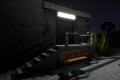
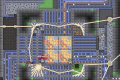
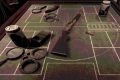
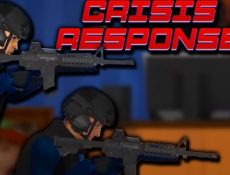
An armed suspect has barricaded himself inside a building, and your police unit must find a way to control the situation. Crisis Response places you in charge of tactical operations involving dangerous suspects, firearms, and potential civilian casualties. The action takes place in a 2.5D environment, where movement and combat are viewed from the side. The game focuses on the consequences of police interventions rather than a traditional story campaign with scripted missions and recurring characters.


Crisis Response
Advertisement
Advertisement




Deciding When to Open Fire
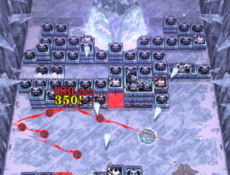
Every confrontation requires you to consider where the suspects are positioned and whether anyone else is in danger. You can move your character, aim weapons, and engage armed opponents, but shooting carelessly can have consequences. Bullets follow simulated trajectories and interact with different materials. They can penetrate surfaces, change direction, and cause injuries depending on where they strike. The game also includes a slow-motion feature that lets you examine these interactions in greater detail.
Weapons and Tactical Options
Crisis Response offers a sandbox environment where you can experiment with firearms and different combat situations. Instead of progressing through a conventional series of levels, you can explore the available mechanics and test how they behave.
Among the available features are:
- Firearms with simulated handling and projectile behavior.
- Concussion and fragmentation grenades.
- A marksman who can receive orders or be controlled manually.
- Slow-motion controls for examining gunfire and injuries.
- A physiological damage system that models wounds and blood loss.
The marksman provides another way to approach dangerous situations. You can order him to engage a target or take direct control to aim the shot yourself. This allows you to experiment with different positions and methods of dealing with armed opponents.
What Happens After Someone Gets Shot?
Damage in Crisis Response extends beyond a character losing health points. Bullets can affect different parts of the body, and injuries have consequences based on their location and severity. Blood loss and damage to vital structures may cause a character’s condition to deteriorate over time.
These mechanics make the outcome of a confrontation difficult to predict. A poorly aimed shot might injure someone who was never intended to be a target. The central objective is to resolve dangerous situations with as little loss of life as possible. Players can repeat sandbox encounters, change their tactics, and observe how different decisions affect the people involved.
Comments (0)


2026
