


























Home Is Where He Is begins with an inheritance rather than an obvious threat. After the protagonist’s grandfather dies, they travel to an isolated, decaying house to sort through what was left behind. The situation changes when it becomes clear that someone already knows the protagonist’s habits, clothing, and personal details. That presence is Mould, a yandere love interest whose behavior can shift between attentive, unsettling, and controlling depending on the player’s choices. The story is structured as a psychological horror visual novel, and the current version includes Day 1 and Day 2.



Home Is Where He Is
Advertisement

Advertisement

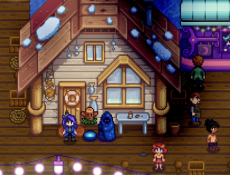

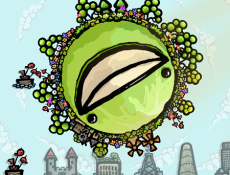





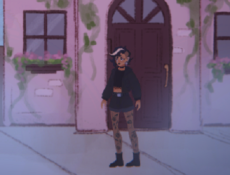

Home Is Where He Is begins with an inheritance rather than an obvious threat. After the protagonist’s grandfather dies, they travel to an isolated, decaying house to sort through what was left behind. The situation changes when it becomes clear that someone already knows the protagonist’s habits, clothing, and personal details. That presence is Mould, a yandere love interest whose behavior can shift between attentive, unsettling, and controlling depending on the player’s choices. The story is structured as a psychological horror visual novel, and the current version includes Day 1 and Day 2.
Make Choices Around Mould
Gameplay is based mainly on reading dialogue, selecting responses, and interacting with scenes inside and around the house. The player can customize the protagonist’s name and pronouns, then make decisions that gradually increase either Affinity or Fear. These hidden values influence how Mould reacts and which ending becomes available later. Day 2 also adds more interactive scenarios, revised choices from the first day, and a CG gallery for unlocked story illustrations.
Explore Different Reactions
There are no traditional levels, combat encounters, or character upgrades. Progress is divided into days and story scenes, with choices during breakfast, trips outside the house, interactions with keys and clothing, phone calls, and attempts to leave all contributing to the current route.
Players may need to:
- decide whether to trust or avoid Mould;
- respond positively, neutrally, or fearfully;
- inspect suspicious details about his appearance;
- choose whether to call someone for help;
- stay in the house or attempt to leave;
- make decisions that affect Affinity and Fear.
The current build contains four ending types: two good endings, one neutral ending, and one bad ending. High Affinity leads toward the good routes, while accumulating enough Fear pushes the story toward the bad outcome.
Replay for Other Endings
Home Is Where He Is is designed around replaying the same days with different behavior rather than clearing numbered stages. A small change in one conversation can affect the final route, and the two good endings also differ depending on whether the protagonist allows Mould to stay close or keeps more distance.
The story is still in development, with Days 3, 4, and 5 planned for later updates, along with additional Mould and Asher endings. For now, the main gameplay loop is about learning how Mould responds to affection, suspicion, resistance, and fear, then using that knowledge to uncover all four existing outcomes.
Comments (0)


2026
