
































An old laptop, a missing owner, and a message meant for someone you’ve never met form the mystery at the center of Print I Love U. This short psychological visual novel presents a strange discovery that gradually raises more questions than it answers. Hidden on a second-hand computer is a game apparently created for a girl named Alice. Its colorful hand-drawn characters and original soundtrack contrast with the unsettling circumstances surrounding its existence. The experience takes approximately 15 minutes to complete and includes three mini-games, an emotional storyline, and several possible endings.



Print I Love U
Advertisement

Advertisement
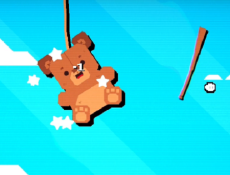






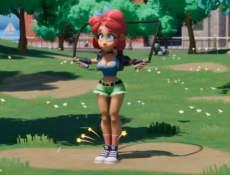
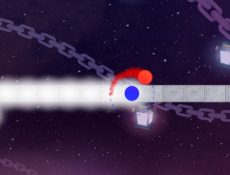
An old laptop, a missing owner, and a message meant for someone you’ve never met form the mystery at the center of Print I Love U. This short psychological visual novel presents a strange discovery that gradually raises more questions than it answers. Hidden on a second-hand computer is a game apparently created for a girl named Alice. Its colorful hand-drawn characters and original soundtrack contrast with the unsettling circumstances surrounding its existence. The experience takes approximately 15 minutes to complete and includes three mini-games, an emotional storyline, and several possible endings.
A Personal Message Lost in Time
The mystery begins several weeks after someone acquires a used laptop. Its previous owner has disappeared, leaving behind an unusual collection of files. Among them is Print I Love U, a small game containing a note addressed to Alice. The unknown creator explains that the project was made specifically for her and expresses hope that she will eventually discover it. However, neither the developer’s identity nor Alice’s whereabouts are known. The person who discovered the laptop begins searching for answers, wondering whether the game contains something important.
A Short Game With an Unusual Atmosphere
Print I Love U combines visual novel storytelling with interactive mini-games. Its presentation relies on illustrated characters, written dialogue, and music rather than complicated controls or extensive exploration.
Players can expect the following features:
- Following a mysterious story connected to a missing person.
- Reading narrative scenes accompanied by original music.
- Encountering characters illustrated in a hand-drawn style.
- Completing three mini-games during the experience.
- Discovering multiple endings.
- Examining the meaning of the message addressed to Alice.
- Replaying the short adventure to experience different conclusions.
The Meaning Behind Every Ending
The entire experience can be completed in around fifteen minutes, making Print I Love U a compact narrative adventure rather than a lengthy campaign. Its three mini-games introduce interactive moments within the story, while the surrounding mystery gives the seemingly simple project a more disturbing context.
Multiple endings provide reasons to revisit the game after the first playthrough. Some conclusions leave an impression of uncertainty rather than offering straightforward answers. The central questions concern the missing laptop owner, the unknown developer, and the intended recipient of the message. With its psychological themes and emotional presentation, Print I Love U invites players to consider why someone would create a game for a single person and what might happen if that person never receives it.
Comments (0)


2026
