








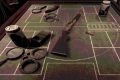
Dispatches 1940 is a text-based strategy and command simulation set in the European theater of World War II. Instead of controlling individual soldiers or moving units across a tactical map, the player makes decisions from the position of senior military leadership. Three campaigns allow control of the German High Command, Soviet STAVKA, or the Western Allied Command. Historical dates, commanders, military situations, and political disagreements form the basis of each scenario, while player decisions can send the war in directions different from actual history.

Dispatches 1940
Advertisement
Advertisement


Dispatches 1940 is a text-based strategy and command simulation set in the European theater of World War II. Instead of controlling individual soldiers or moving units across a tactical map, the player makes decisions from the position of senior military leadership. Three campaigns allow control of the German High Command, Soviet STAVKA, or the Western Allied Command. Historical dates, commanders, military situations, and political disagreements form the basis of each scenario, while player decisions can send the war in directions different from actual history.
Three Commands, Three Different Wars
Each campaign presents a sequence of real strategic problems faced by wartime leaders. Decisions can involve offensives, industrial priorities, logistics, alliances, or whether to follow the advice of political and military figures. Historical advisors appear with biographies and recommendations based on their actual positions. Choices create multi-chapter branches, including alternative situations such as Soviet forces advancing toward Greece or Britain considering negotiations during the 1940 war cabinet crisis. Across all three campaigns, there are 88 named endings.
Every Order Uses Real Resources
The main management system is the Logistical Triangle, which tracks Manpower, Fuel, and Time against historical conditions. These resources do more than modify scores. Running short of something can remove options from later decisions entirely. When historians disagree about what a particular decision might have produced, the game uses weighted rolls influenced by the player’s current resources and military situation.
Players can:
- command German, Soviet, or Western Allied forces;
- make operational and political decisions;
- manage Manpower, Fuel, and Time;
- receive advice from historical commanders and officials;
- create alternate branches of World War II;
- reach dozens of different endings;
- use optional permadeath command modes.
Hard modes add rules connected to the political structure of each command. Führer Mode tracks the consequences of defying the German regime, while NKVD Mode increases suspicion when Soviet commanders act independently. Yalta Mode focuses on Coalition Cohesion between the Western Allies, with decisions against allies’ objections potentially reducing the player’s authority. Rewinds are removed in these modes, so decisions and failed outcomes cannot simply be reversed.
Changing History From the War Room
A typical Dispatches 1940 playthrough consists of reading the current historical situation, reviewing advice, checking available resources, and choosing an order. The consequences then determine which decisions appear later and how the campaign develops. There are no conventional combat levels or character upgrades. Progress comes entirely through command decisions, logistics, branching scenarios, and the political consequences of previous choices, allowing the same campaign to produce several different versions of the war.
Comments (0)


2026
