





















Hunger forces the player to keep eating in Eat not, Want not, but every plate can also be dangerous. The game places the player opposite a chef who prepares food while the protagonist has a randomly selected allergy. The central problem is simple: survive for as long as possible without eating anything contaminated by the allergen. There is no traditional story campaign or level sequence. Instead, the game creates tension through one repeated situation where the player must decide whether each new dish is safe enough to eat.



Eat not, Want not
Advertisement
Advertisement






Hunger forces the player to keep eating in Eat not, Want not, but every plate can also be dangerous. The game places the player opposite a chef who prepares food while the protagonist has a randomly selected allergy. The central problem is simple: survive for as long as possible without eating anything contaminated by the allergen. There is no traditional story campaign or level sequence. Instead, the game creates tension through one repeated situation where the player must decide whether each new dish is safe enough to eat.
Watching the Chef
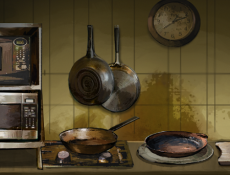
The player cannot simply look at the finished meal and trust it. While the chef prepares the next dish, it is important to watch what ingredients he uses. If the allergen appears at any point during preparation, the entire plate becomes unsafe because the game treats it as contaminated. Different runs can assign different allergies, including ingredients such as eggs, cheese, crab, oysters, bread, or nuts, so the dangerous ingredient changes from one attempt to another.
Eating, Rejecting, and Hunger
Each round revolves around a few connected actions:
- watch the chef while he prepares food;
- remember the ingredient that causes the current allergy;
- decide whether the completed dish is safe;
- eat safe food to restore hunger;
- reject contaminated plates;
- clear finished or unwanted plates from the table;
- continue through as many dishes as possible before dying.
Rejecting food is necessary when an allergen appears, but doing it too often creates another problem. The hunger meter continues to fall while the player waits for new meals, so survival depends on balancing caution with the need to eat. A safe plate can keep the run going, while one contaminated dish can end it.
Survival Instead of Levels
Eat not, Want not does not contain numbered stages, maps, bosses, or character upgrades. The score is effectively measured by how many dishes the player manages to eat before starvation or an allergic reaction ends the run. Once a plate is finished or rejected, it has to be physically moved away before the next one can be handled, making plate management part of the interaction rather than an automatic transition.
A successful attempt depends mostly on attention. The safest approach is to keep watching the preparation process, recognize the dangerous ingredient immediately, and avoid wasting too much time on plates that are already known to be unsafe. Audio cues can also help track what the chef is doing when the player looks away. Because the allergy and food sequence can change between runs, the challenge comes from maintaining concentration while hunger steadily creates more pressure.
Comments (0)


2026
