


















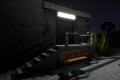
Elevator Hitch is a short surreal horror visual novel with point-and-click and escape-room elements. The story follows two co-workers who become trapped inside a 1970s office elevator that does not take them to normal floors. Instead, each stop leads to a strange liminal environment. Their goal is to explore these places, solve the problems on each floor, and find a way back to their intended destinations. The story is driven by dialogue, interactions, and choices that can change later events.



Elevator Hitch
Advertisement

Advertisement




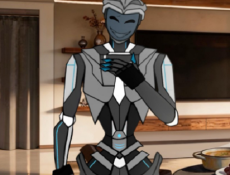

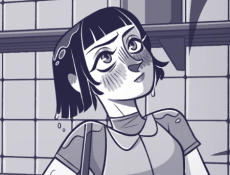
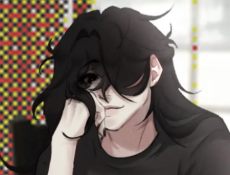
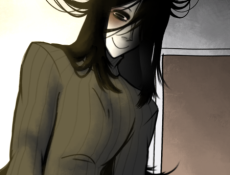

Elevator Hitch is a short surreal horror visual novel with point-and-click and escape-room elements. The story follows two co-workers who become trapped inside a 1970s office elevator that does not take them to normal floors. Instead, each stop leads to a strange liminal environment. Their goal is to explore these places, solve the problems on each floor, and find a way back to their intended destinations. The story is driven by dialogue, interactions, and choices that can change later events.
Every Floor Works Like a Separate Escape Room
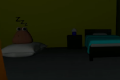
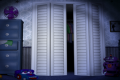
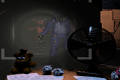
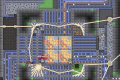
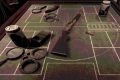
When the elevator doors open, the player enters a new location and investigates it from a point-and-click perspective. Objects can be examined, clues can be found, and puzzles need to be solved before the next part of the game becomes available. Some puzzles depend on observing the environment carefully, while others require remembering information from conversations or interacting with objects in the correct order. The game also uses a 3D map view for exploration.
The main gameplay includes:
- exploring strange floors outside the elevator;
- examining objects and environmental details;
- solving point-and-click puzzles;
- talking to the other co-worker;
- choosing dialogue responses;
- using clues to unlock new areas;
- making decisions that affect the run;
- reaching different endings.
Dialogue Choices Affect More Than One Scene
Elevator Hitch does not use traditional combat levels or character upgrades. Progress is based on completing each floor and making decisions during conversations. The relationship between the two co-workers develops through these choices, and certain interactions can change what happens later. The game contains 15 endings, so one playthrough does not show every possible outcome.
Horror Builds Through the Floors
The horror comes from the environments, disturbing events, and the way familiar office spaces become increasingly abnormal. Some floors introduce graphic imagery, body horror, violence, or unsettling audio rather than relying only on direct chases. The player is often required to keep exploring even when the environment becomes clearly unsafe.
A normal playthrough takes around one hour to one hour and twenty minutes. There is no manual save system, so choices and puzzle progress are handled within the current run. Replaying the game is important for discovering different dialogue, alternative interactions, and the full set of endings.
Comments (0)


2026
