




















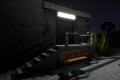

Roadhouse Simulator is a management simulation game where you take control of a neglected roadside establishment and try to turn it into a successful business. Instead of starting with a clean restaurant, a large budget, and everything ready for customers, you have to work with a place that needs attention from the very beginning. The roadhouse has to be cleaned, organized, supplied, and gradually improved before it can become a reliable source of income. Every decision affects how efficiently the business operates, from the products you keep in stock to the equipment and improvements you purchase with the money you earn.



Roadhouse Simulator
Advertisement

Advertisement




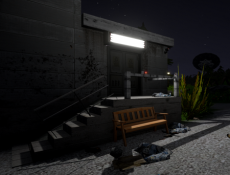





The game combines hands-on work with business management. You are not simply watching employees perform every task from an overhead menu. Much of the work is done directly from a first-person perspective, which means running the roadhouse involves physically interacting with the environment, handling supplies, serving customers, maintaining the property, and dealing with the everyday problems that appear during operation. As the business grows, your responsibilities grow with it, turning a struggling roadside stop into a much busier operation that requires planning and constant attention.
Start With a Neglected Roadhouse
Your business does not begin as a polished establishment filled with customers. The roadhouse needs work, and the first stage is about getting the property into usable condition. Before thinking about major profits or expansion, you need to deal with the basic problems of the building and prepare it for business. Cleaning and organizing the available space gives you a foundation from which the rest of the operation can develop.
This makes the early progression feel practical. Instead of immediately purchasing expensive upgrades, you first have to understand what the property needs and which improvements should receive priority. Money matters because almost every meaningful step forward requires investment. Spending everything too quickly can leave you without enough resources for essential supplies, while refusing to improve the business can limit how much money it is capable of generating.
The roadhouse gradually changes as you invest time and earnings back into it. What begins as a run-down property can become a more functional and profitable establishment, giving you a visible sense of progression rather than simply increasing numbers on a statistics screen.
Run the Business Yourself
Roadhouse Simulator puts you directly inside the business instead of limiting management to menus. Running the establishment requires practical work, especially while the operation is still small and you cannot depend on a large staff. Supplies need to be handled, customers need attention, and different areas of the property need to remain functional.
This creates a constant balance between immediate tasks and long-term management. You may know that the business needs another improvement, but first you have to earn enough money to afford it. You may want to increase the number of customers you can handle, but doing so without preparing the roadhouse properly can create more work than you can efficiently manage.
The player therefore acts as both owner and worker. You decide where the business is going while also performing many of the tasks required to keep it running from one day to the next.
Keep Your Supplies Under Control
A roadside business cannot operate without stock. Products and ingredients need to be available when customers arrive, which means inventory management becomes an important part of everyday work. Running out of something at the wrong moment can interrupt service and cost you potential income, while buying excessive quantities can tie up money that could have been used elsewhere.
Planning purchases becomes increasingly important as the business grows. When only a small number of customers visit, keeping enough stock is relatively straightforward. As traffic increases, supplies disappear faster and poor preparation becomes much more noticeable. You need to learn which items are used regularly and make sure the roadhouse is ready before demand becomes difficult to handle.
Managing inventory is therefore connected directly to expansion. A larger and more popular business may generate more money, but it also consumes more resources. Growth only helps if you can support it.
Serve the People Who Stop by the Road
Customers are the source of your income, and the purpose of improving the roadhouse is ultimately to attract and serve more of them. Travelers arrive expecting service, and handling their needs efficiently keeps money flowing into the business. The better the establishment becomes, the more opportunities you have to turn passing traffic into profit.
Customer service also creates time pressure. Tasks that can be completed slowly while the building is empty become more difficult when several people need attention at once. You may have supplies waiting to be unpacked, an area that needs maintenance, and customers who expect to be served without unnecessary delays. Deciding what requires immediate attention becomes part of managing the operation.
As business activity increases, organization becomes increasingly valuable. A poorly arranged workspace wastes time, while a functional setup allows you to move between tasks more efficiently. Improvements are not only cosmetic; they can make everyday work easier and help you handle a larger workload.
Earn Money and Reinvest It
The basic business cycle in Roadhouse Simulator is built around earning money and deciding how to use it. Income from customers can be spent on supplies required for continued operation, but successful management also requires investing in the future.
New equipment and improvements can make the roadhouse more capable, allowing you to gradually move beyond the limitations of the starting property. The challenge is deciding when to save and when to spend. Buying every available improvement immediately is not necessarily the smartest strategy if doing so leaves the business without enough operating money.
This creates a progression loop where every successful day provides new possibilities. Profit is not only a score showing how well you performed; it is the resource that allows the business to evolve.
Upgrade the Roadhouse
Improvement is one of the main long-term goals. The property you begin with is not intended to remain unchanged throughout the game. Earnings can be used to develop the establishment, improve its functionality, and create a better business than the one you originally inherited.
Upgrades give the player concrete reasons to keep increasing revenue. Instead of earning money only to accumulate a larger balance, you can put that money back into the roadhouse. Better equipment can improve your ability to work, while changes to the property can support further expansion.
The visual transformation is also part of the satisfaction. Areas that initially look neglected can gradually become organized and purposeful. The roadhouse begins to reflect the decisions you have made, giving your progress a physical presence inside the game world.
Balance Expenses and Profit
Making money does not simply mean collecting everything customers pay you. Operating the business creates expenses, and successful management depends on keeping those costs under control. Supplies have to be purchased, improvements require investment, and expansion can increase the amount of money needed to keep everything functioning.
This means that revenue and profit are not the same thing. A busy day can bring in plenty of cash, but poor spending decisions can still leave the business struggling. You need to consider whether a purchase will genuinely help the operation or whether the money would be more useful somewhere else.
The economic side remains closely connected to the hands-on gameplay. If you misjudge how much stock you need, you experience the consequences while serving customers. If you invest wisely, everyday work becomes easier and the roadhouse can handle more activity. Management decisions therefore have visible effects instead of existing only inside spreadsheets and menus.
Deal With Everyday Problems
Running a roadside establishment is not a perfectly predictable routine. Different tasks compete for your attention, and the business can quickly become difficult to manage when several problems appear at the same time. Something that seems minor while the roadhouse is quiet can become a serious inconvenience during a busy period.
This is where preparation becomes important. Having enough supplies, maintaining an organized workspace, and improving the correct parts of the business can reduce unnecessary pressure. Ignoring those areas may save money temporarily, but it can make future work considerably harder.
The game rewards players who think ahead instead of constantly reacting to emergencies. A well-managed roadhouse allows you to spend more time developing the business rather than fixing problems created by poor preparation.
Turn a Small Operation Into a Real Business
The long-term appeal of Roadhouse Simulator comes from building something larger than what you started with. Early in the game, the property requires significant personal attention and even basic tasks can consume a large portion of your time. As you earn money and make improvements, the scale of the operation begins to change.
Growth introduces new possibilities but also additional responsibility. More customers can mean higher revenue, yet they also require more supplies and faster service. Additional equipment can improve efficiency, but purchasing it reduces the money available for other needs. Every expansion therefore creates another management decision.
Successful growth depends on keeping these systems balanced. Expanding too quickly can create unnecessary pressure, while being overly cautious can slow down progress. Finding the right moment to invest becomes part of developing the roadhouse.
Organize the Property for Efficient Work
A functional layout can make a significant difference when you are personally moving around the establishment and completing tasks. The farther you need to travel between frequently used areas, the more time is lost. When customers are waiting, even small inefficiencies can become noticeable.
Organizing the property is therefore not only about appearance. A practical setup allows you to complete common tasks with fewer unnecessary movements and makes it easier to keep track of what needs attention. As new equipment and features become available, you can continue adjusting the business to match its increasing workload.
This gives the player freedom to think about the roadhouse as a working space. The best arrangement is one that helps you manage customers, stock, and daily responsibilities without constantly running from one side of the property to another.
Build a Routine That Actually Works
Once the business begins operating consistently, Roadhouse Simulator develops a natural daily rhythm. You prepare for customers, check what needs to be restocked, handle service, earn money, and use the results of the day to plan what should happen next. The individual tasks are straightforward, but keeping all of them under control simultaneously becomes the real challenge.
A good routine reduces wasted time. Checking supplies before demand increases is easier than discovering you have run out while customers are already waiting. Cleaning and organizing during quieter periods prevents those jobs from interfering with more profitable work later. Planning purchases in advance allows you to use money more effectively.
As you become familiar with the operation, the challenge gradually shifts from learning individual tasks to performing them efficiently.
Make Decisions as the Owner
Although much of the gameplay involves practical work, you are ultimately responsible for the direction of the entire business. Nobody else decides what should be purchased first, which improvements are worth the cost, or how aggressively the roadhouse should expand.
Every dollar can be treated as operating money or as an investment in future growth. Spending it on stock keeps the current business functioning. Using it for upgrades may improve future earning potential. Saving it gives you more flexibility later but may leave the current property operating below its potential.
These decisions make progression personal. Two players can begin with the same neglected roadhouse but prioritize different improvements and develop their businesses differently depending on how they choose to spend their earnings.
More Customers Mean More Responsibility
Increasing popularity sounds entirely positive until the workload begins increasing alongside the revenue. More customers create more opportunities to earn money, but they also consume supplies faster and demand more of your attention.
A setup that worked perfectly during the early game may become inefficient once the roadhouse gets busier. You have to adapt by improving equipment, reorganizing the property, increasing stock, and finding ways to handle tasks more quickly.
This keeps growth from becoming purely automatic. Success creates its own challenges, and the business has to evolve if you want to continue expanding without allowing service to become chaotic.
From Cleaning to Management
One of the most noticeable aspects of progression is the changing nature of your responsibilities. At the beginning, you are dealing with fundamental problems: cleaning the property, preparing the establishment, organizing basic supplies, and making the place functional enough to begin earning money.
Later, your attention increasingly shifts toward efficiency and expansion. You start thinking about how quickly customers can be served, which upgrades provide the greatest benefit, how much inventory should be kept available, and what the next major investment should be.
The roadhouse grows alongside your understanding of the game. Tasks that once demanded your complete attention become routine, allowing you to concentrate on larger decisions.
Create a Profitable Roadside Destination
The ultimate objective is to transform an unsuccessful property into a thriving roadside business. Doing that requires more than performing one profitable task repeatedly. You have to maintain the entire operation, make intelligent purchases, keep customers satisfied, manage inventory, and continuously decide how profits should be reinvested.
The transformation happens gradually. Every completed task, successful customer interaction, restocking run, and purchased upgrade contributes to the development of the property. Instead of instantly becoming a successful entrepreneur, you build the business through repeated practical work.
That progression gives each improvement more value because you understand what was required to afford it. New equipment represents money earned through actual operation rather than an arbitrary unlock handed to you automatically.
Build the Roadhouse Your Way
Roadhouse Simulator turns the everyday work of operating a roadside establishment into a hands-on management experience. You begin with a neglected property that needs cleaning, supplies, organization, and investment before it can reach its potential. From there, the direction of the business depends on how effectively you manage your money and time.
Serve customers, maintain enough stock to keep the operation running, organize the property, purchase useful equipment, and reinvest your profits into improvements that allow the roadhouse to grow. As more people begin stopping by, the workload increases and efficient management becomes increasingly important. Every expansion creates new opportunities to earn money, but it also introduces additional expenses and responsibilities that have to be handled correctly.
Roadhouse Simulator is ultimately about taking a business that has very little going for it and gradually making
Comments (0)


2026
