
























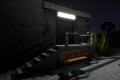
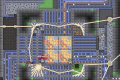
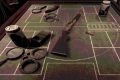
A quiet card table becomes the center of a much larger problem in The Cabin Game. The player is trapped inside a supernatural cabin where every round can influence the rooms around them. Cards are not separated from exploration; they can trigger changes in the building, reveal new areas, or create additional threats. Escaping means paying attention to both the game in front of you and the consequences appearing elsewhere in the house.



The Cabin Game
Advertisement
Advertisement

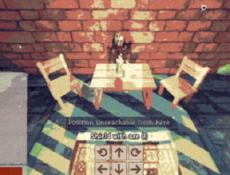








A quiet card table becomes the center of a much larger problem in The Cabin Game. The player is trapped inside a supernatural cabin where every round can influence the rooms around them. Cards are not separated from exploration; they can trigger changes in the building, reveal new areas, or create additional threats. Escaping means paying attention to both the game in front of you and the consequences appearing elsewhere in the house.
When the House Reacts
After important card choices, players need to explore and check what has changed. A door that was useless before may suddenly lead somewhere new, while another room can become more dangerous. Since the cabin does not always follow the same layout, each session requires fresh observation rather than relying only on memory.
Players may need to:
- choose between different card effects;
- explore newly formed rooms;
- search for clues and hidden information;
- revisit older parts of the cabin;
- track environmental changes;
- avoid supernatural dangers;
- coordinate discoveries with teammates;
- decide whether to stay together or split up;
- work toward the conditions required for escape.
The Table Controls More Than the Round
The most important decisions often happen before anyone starts searching the house. A card can provide an immediate advantage but still produce an unwanted effect somewhere else. This creates a constant trade-off between short-term progress and the risks created by altering the cabin.
With several players involved, communication becomes especially useful because one person may discover the result of another player’s decision in a completely different room.
Escaping a Changing Layout
The route out is not presented as one simple corridor leading to an exit. Players gradually piece together how the cabin works by combining clues, card effects, and environmental changes. Some information only becomes useful after other events have already occurred.
The Cabin Game mixes first-person horror with a card-based system that directly shapes exploration. Each session develops through a repeating pattern of making choices at the table, investigating their consequences, and adjusting the group’s plan. The challenge is to understand the cabin quickly enough to turn its changing layout into a possible escape route.
Comments (0)


2026
