



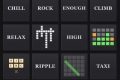



















A patient reports trouble sleeping, difficulty concentrating, and sudden changes in behavior. Which mental health condition best explains these symptoms? DSM-5 Diagnosis transforms questions like this into an educational puzzle game where players examine fictional clinical cases and identify possible psychological disorders. Inspired by the Diagnostic and Statistical Manual of Mental Disorders, the game emphasizes observation, logical reasoning, and recognizing patterns in patient descriptions. Instead of relying on quick reactions, players must carefully evaluate information before submitting their answers.



DSM-5 Diagnosis
Advertisement
Advertisement








A patient reports trouble sleeping, difficulty concentrating, and sudden changes in behavior. Which mental health condition best explains these symptoms? DSM-5 Diagnosis transforms questions like this into an educational puzzle game where players examine fictional clinical cases and identify possible psychological disorders. Inspired by the Diagnostic and Statistical Manual of Mental Disorders, the game emphasizes observation, logical reasoning, and recognizing patterns in patient descriptions. Instead of relying on quick reactions, players must carefully evaluate information before submitting their answers.
Solving a Mystery Through Clinical Clues
Each challenge begins with a short description of a fictional patient. The initial information may include their age, emotional difficulties, unusual behavior, or problems with everyday responsibilities. However, several conditions can share similar symptoms, making the correct answer difficult to identify immediately. Players must consider different possibilities and determine which diagnosis best matches the available evidence. Additional clues help narrow down the options and reveal details that were missing from the original description.
How to Play DSM-5 Diagnosis
The main challenge involves reading clinical information and entering the name of a possible disorder. In Classic mode, incorrect guesses reveal additional clues, allowing players to reconsider their decisions. Each case provides up to six attempts.
The main gameplay features include:
- Reading fictional patient descriptions.
- Identifying symptoms and behavioral patterns.
- Entering possible DSM-5 diagnoses.
- Unlocking new clues after incorrect answers.
- Comparing conditions with overlapping symptoms.
- Playing daily diagnostic challenges.
- Testing knowledge through Classic and Hard modes.
- Revisiting previous cases to improve recognition skills.
Daily Challenges and Learning Progress
DSM-5 Diagnosis replaces traditional action levels with individual clinical puzzles. Each new case introduces a different combination of symptoms, requiring players to apply their knowledge rather than memorize a single solution. Hard mode provides an additional challenge by placing greater emphasis on deciding when enough evidence has been collected.
Daily puzzles and archived cases provide opportunities to continue practicing. Performance statistics and streaks help players follow their results over time, while different activities encourage closer examination of diagnostic criteria.
There is no fictional storyline or final boss. The objective is to become more accurate at interpreting case descriptions and distinguishing related conditions. Because the cases are simplified educational puzzles, their answers are not suitable for diagnosing real people or replacing professional clinical assessments.
Comments (0)


2026
