


























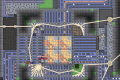
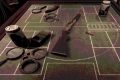
The main decisions in Dungeonbound take place before and between automatic battles. Players assemble equipment, select character upgrades, and enter dungeons populated by different types of enemies. Once combat begins, attacks and defensive actions are calculated according to the hero’s abilities and statistics. The game combines dungeon exploration with incremental progression and inventory-based strategy. There is no central narrative campaign built around dialogue choices; advancement is measured through completed floors, collected equipment, and character improvements.


Dungeonbound
Advertisement
Advertisement








The main decisions in Dungeonbound take place before and between automatic battles. Players assemble equipment, select character upgrades, and enter dungeons populated by different types of enemies. Once combat begins, attacks and defensive actions are calculated according to the hero’s abilities and statistics. The game combines dungeon exploration with incremental progression and inventory-based strategy. There is no central narrative campaign built around dialogue choices; advancement is measured through completed floors, collected equipment, and character improvements.
Preparing for Combat
Each expedition starts with a character whose class determines the available abilities and development options. Players organize weapons, protective items, and other equipment on a grid. The size, position, and surrounding objects can influence how individual items function. Some equipment provides direct statistical bonuses, while other pieces activate particular effects during combat. Runes and relics introduce additional ways to modify a character’s abilities and create combinations suited to different enemies.
Battle Mechanics and Enemy Abilities
Dungeonbound uses a speed-based turn system in which characters perform actions automatically. Faster units may attack more frequently, while defensive abilities can reduce or prevent incoming damage. Enemies also have individual characteristics that influence how battles unfold. Progress requires adjusting equipment to account for these differences.
Combat includes several interacting systems:
- Critical hits that increase the damage of certain attacks.
- Dodging and blocking mechanics that affect incoming attacks.
- Poison and burning effects that operate over time.
- Freezing and stunning effects that interrupt normal actions.
- Equipment combinations that activate additional abilities.
Successful battles provide resources and items that can be used during the current expedition. Players may also encounter shops, treasure containers, and locations offering opportunities to change their equipment before proceeding.
Challenges, Modes, and Progression
The game includes an incremental campaign, roguelike challenges, and cooperative expeditions. In the incremental campaign, characters retain their levels and permanent improvements after unsuccessful attempts. Roguelike runs involve assembling temporary builds while managing limited opportunities to continue. Some encounters feature character configurations created by other players, allowing participants to test their equipment against different strategies.
To play, users select a hero, arrange equipment, and begin descending through dungeon floors. They observe the automatic battles and make adjustments whenever new items or upgrades become available. Duplicate equipment can be merged, while different items can be fused to combine their properties. As players reach deeper floors, opponents become more demanding. The main objective is to improve the character’s effectiveness, manage available resources, and progress further with each expedition.
Comments (0)


2026
