


















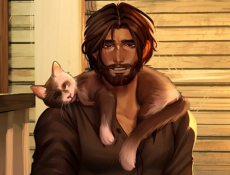
The False Sun places players in the role of someone returning to a village that seems to remember them better than they remember it. The protagonist arrives at their grandfather’s farm for a summer visit, but important memories from earlier years are missing. Among the people who recognize them is Silas, a childhood friend whose familiarity raises questions about their shared history. The game combines psychological horror, romantic interactions, and everyday activities, allowing players to influence events through decisions.


False Sun
Advertisement
Advertisement





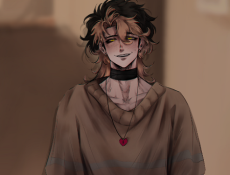
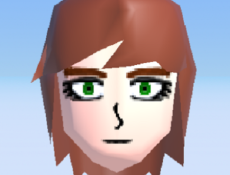

The False Sun places players in the role of someone returning to a village that seems to remember them better than they remember it. The protagonist arrives at their grandfather’s farm for a summer visit, but important memories from earlier years are missing. Among the people who recognize them is Silas, a childhood friend whose familiarity raises questions about their shared history. The game combines psychological horror, romantic interactions, and everyday activities, allowing players to influence events through decisions.
A Familiar Village With an Unknown Past
The story develops around the protagonist’s attempts to recover information about their childhood. Although the village and surrounding farmland appear ordinary, conversations gradually reveal inconsistencies between what the protagonist remembers and what other characters know. Silas becomes their main companion, spending time with them and participating in activities around the farm. His behavior plays an important role in the narrative, and the player must decide whether to accept his explanations or question his intentions.
Combining Story Choices With Farm Activities
The False Sun uses a first-person visual novel format with additional interactive elements. Players select the protagonist’s gender and progress through conversations, illustrated scenes, and tasks connected to rural life. Certain sections include mini-games that require direct interaction rather than simply reading dialogue.
Throughout the game, players can:
- Communicate with Silas and respond to his questions.
- Help with activities around the grandfather’s farm.
- Participate in interactive sequences and mini-games.
- Make choices that affect the relationship with Silas.
- Investigate information connected to forgotten childhood events.
- Unlock illustrations and collect different endings.
Exploring Twenty Possible Conclusions
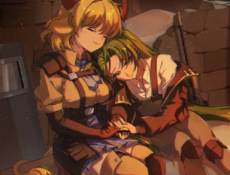
The game features a branching storyline rather than a sequence of traditional levels. Conversations and activities contribute to the development of different narrative paths. The False Sun includes 20 endings, encouraging players to experiment with decisions across multiple playthroughs. The available conclusions reflect different developments in the relationship with Silas and the protagonist’s understanding of their past. An ending gallery allows completed outcomes to be reviewed, while a separate memory gallery contains unlocked illustrations.
Players advance by following dialogue, choosing responses, and completing interactive tasks when prompted. There are no character statistics or conventional combat systems that require upgrades. Progress depends on the choices made during conversations and other situations. Saving before significant decisions makes it possible to return and explore alternative outcomes. Repeating the story with different responses reveals additional scenes and information that may not appear during the first playthrough.
Comments (0)


2026
