

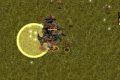



























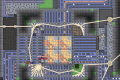

A failed expedition in Guildrun does not mean the next attempt will unfold the same way. Different heroes, relics, and upgrades can produce a different strategy even when the objective remains unchanged. This roguelike autobattler centers on building a fantasy guild and sending it against waves of monsters. Players select formations and prepare abilities, while the heroes perform their attacks automatically once a fight begins. The outcome depends on how the team has been assembled and equipped.


Guildrun
Advertisement
Advertisement







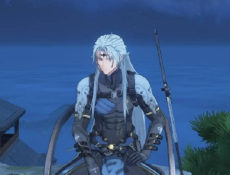
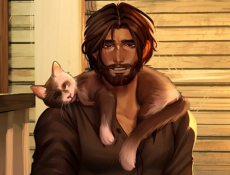
A failed expedition in Guildrun does not mean the next attempt will unfold the same way. Different heroes, relics, and upgrades can produce a different strategy even when the objective remains unchanged. This roguelike autobattler centers on building a fantasy guild and sending it against waves of monsters. Players select formations and prepare abilities, while the heroes perform their attacks automatically once a fight begins. The outcome depends on how the team has been assembled and equipped.
A World Divided by Rifts
The reason for these expeditions is a series of unexplained rifts appearing across cities. Creatures emerge from the openings, and the guild must eliminate the threats while investigating their origin. This mystery provides the central storyline, while individual runs form the structure of gameplay. Each expedition presents different opportunities to strengthen the party. Because the available rewards can change, players must make decisions based on their current characters rather than follow one fixed strategy.
What Changes Between Battles
Character development involves more than increasing basic combat statistics. Every hero begins with a class and an ability, but specialization paths and modifiers can change the role that character performs. Relics provide additional effects, while equipment improves individual members or supports combinations of abilities. Between encounters, players can:
- Recruit additional heroes to fill missing positions in the party.
- Select specializations that change how individual characters fight.
- Equip items and combine relics to create interactions between abilities.
- Rearrange the formation to prepare for different enemy groups.
Guildrun includes 25 heroes, more than 300 relics, and over 100 items. Progression also involves eight difficulty settings, with subsequent challenges unlocked through successful runs. Endless mode extends the series of battles and records results on leaderboards. Players can examine available options without a timer, allowing them to compare upgrades before making decisions. An expedition can also be saved and continued later.
How to Approach an Expedition
Begin by selecting the available heroes and examining the upcoming opponents. Position defensive characters where they can absorb attacks, while placing vulnerable units where they can contribute without unnecessary exposure. Once the battle starts, the team fights automatically. After the encounter, review the results and select rewards that address weaknesses in the formation. Continue recruiting, upgrading, and changing positions as enemy groups become more difficult. The combination of character abilities, equipment, and tactical decisions determines how far the guild can advance. The overall objective is to defeat the monsters and close the rifts.
Comments (0)


2026
