
















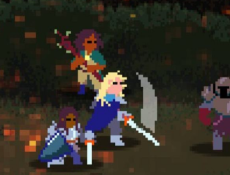
Legionbound is built around turning a small group of fantasy heroes into an army that can contain as many as 50 fighters at once. Battles play out automatically, but the player decides who joins the party, how heroes are positioned, which spells are used, and which upgrades support the current build. There is no story-driven campaign with a fixed protagonist. Progress is based on roguelite runs, surviving enemy waves, discovering class combinations, and creating stronger parties for later attempts.


Legionbound
Advertisement
Advertisement






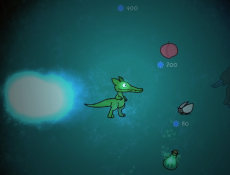


Legionbound is built around turning a small group of fantasy heroes into an army that can contain as many as 50 fighters at once. Battles play out automatically, but the player decides who joins the party, how heroes are positioned, which spells are used, and which upgrades support the current build. There is no story-driven campaign with a fixed protagonist. Progress is based on roguelite runs, surviving enemy waves, discovering class combinations, and creating stronger parties for later attempts.
Building the Legion
The game includes 42 classes, and each class can unlock a Synergy subclass. Heroes with useful combinations can also be merged into Ascension classes, with more than 800 possible Ascension results available. Choosing compatible classes is important because the strength of the party depends on how their abilities and synergies work together. Passive items and unlockable spells add another layer to the build, while heroes can be moved between combat rows to change how they perform against different enemy groups.
Battle Mode and Adventure Mode
Legionbound has two main ways to play. Battle Mode is focused on endurance: enemies arrive in waves, new heroes can be recruited during the run, and the goal is to survive for as long as possible. Adventure Mode adds a longer roguelite structure with buildings that provide passive abilities, different maps, modifiers, rewards, and an enemy called the Endbringer that becomes stronger while the player prepares for the final battle.
The main activities include:
- recruiting heroes during a run;
- arranging fighters between combat rows;
- combining classes to create synergies;
- forming Ascension heroes;
- casting unlocked spells;
- buying passive items;
- defeating enemy waves and bosses;
- unlocking additional heroes and maps.
Maps, Bosses, and Progress
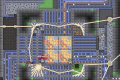
Combat takes place across 10 different maps filled with regular enemies and dozens of bosses. Since heroes attack automatically, the player mainly influences battles through preparation and tactical adjustments rather than controlling every individual strike. A weak formation can be changed by repositioning units, adding another class, using a spell, or choosing an item that supports the party’s existing abilities.
Losing a run does not remove all progress. Skill points can be earned and invested in a larger skill tree that provides roguelite bonuses for future attempts, and these choices can be reset when the player wants to try another approach. Legionbound therefore revolves around repeated runs: recruit a larger army, test new synergies, survive harder waves, defeat bosses, and gradually unlock more options for building the next legion.
Comments (0)


2026
