























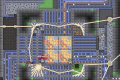

Rust & Shine is an incremental restoration game about turning heavily corroded objects into valuable antiques. The player begins with a small workbench and receives mystery items whose appearance is almost completely hidden under rust. Cleaning them reveals what they actually are and how valuable they might be. There is no traditional story with characters or chapters. Instead, progression follows the development of the restoration business, from manually cleaning individual objects to running a workshop capable of processing items automatically.



Rust & Shine
Advertisement
Advertisement










Rust & Shine is an incremental restoration game about turning heavily corroded objects into valuable antiques. The player begins with a small workbench and receives mystery items whose appearance is almost completely hidden under rust. Cleaning them reveals what they actually are and how valuable they might be. There is no traditional story with characters or chapters. Instead, progression follows the development of the restoration business, from manually cleaning individual objects to running a workshop capable of processing items automatically.
Every Rusty Object Is an Unknown Find
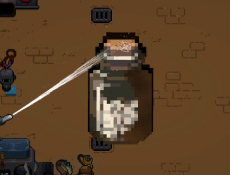
At first, each antique is a small mystery. The player removes corrosion layer by layer using tools such as a wire brush, water gun, and sandblaster. Only after enough rust has been cleared does the object become identifiable. Most finds are ordinary items, but crates can also contain more valuable treasures and rare Legendary objects. Restored pieces can be sold for cash, creating the money needed to improve the workshop and purchase better supplies.
The main gameplay includes:
- opening crates containing unknown objects;
- cleaning rust with several different tools;
- identifying items after restoration;
- finding common, valuable, and Legendary antiques;
- selling completed restorations;
- upgrading tools and workstations;
- accepting contracts with specific conditions;
- adding automated systems to the workshop.
Better Suppliers Change What You Can Find
Rust & Shine does not use numbered levels. Progress is tied to the economy of the workshop. Money earned from restored antiques can be invested in stronger equipment and suppliers that provide access to better crates. Contracts add more focused objectives, including meeting quotas, searching for particular finds, or completing valuable commissions without making mistakes. This gives the player reasons to restore items beyond simply selling everything that appears.
Manual Work Eventually Becomes Automation
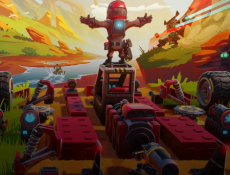
As the workshop expands, repair-bots and additional stations can begin handling repetitive jobs. Automated systems can move objects through cleaning and selling processes without requiring the player to work on every item personally. Rare finds can still be kept for manual restoration, allowing the player to decide which objects deserve direct attention.
Long-term progression also includes relocating to larger workshops and using Renown for permanent improvements. These bonuses can support different approaches, such as relying heavily on automation or concentrating on rare discoveries. Important restored treasures can be preserved in the Heirloom Gallery instead of disappearing after a sale. The main goal is therefore not to complete a fixed campaign, but to develop a small restoration bench into an efficient workshop while continuing to discover what is hidden underneath each new layer of rust.
Comments (0)


2026
