
























The Grand Book Archive: Tidy Up begins with a library that has completely lost its order. Thousands of ancient books are scattered around the archive, and the player is responsible for returning every volume to the correct shelf. The collection covers books dated from 1000 BC to 1100 BC, creating a large sorting challenge where visual observation is just as important as speed. What starts as careful manual organization gradually develops into an incremental system filled with spells, helpers, and permanent upgrades.



The Grand Book Archive: Tidy Up
Advertisement
Advertisement







The Grand Book Archive: Tidy Up begins with a library that has completely lost its order. Thousands of ancient books are scattered around the archive, and the player is responsible for returning every volume to the correct shelf. The collection covers books dated from 1000 BC to 1100 BC, creating a large sorting challenge where visual observation is just as important as speed. What starts as careful manual organization gradually develops into an incremental system filled with spells, helpers, and permanent upgrades.
Finding the Correct Shelf
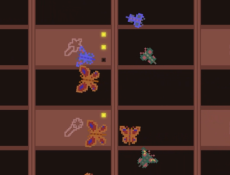
Books need to be identified by their appearance and matched with the appropriate shelf. Similar covers, patterns, and colors provide visual clues, so the player spends much of the early game scanning large piles and looking for matching volumes. Completing an entire shelf produces coins that can then be used to make future sorting easier.
The main activities include:
- searching through piles of books;
- identifying matching designs;
- placing books on their proper shelves;
- completing entire shelf collections;
- earning coins from finished sections;
- purchasing magical abilities;
- improving sorting efficiency;
- adding automated helpers;
- preparing stronger bonuses for later runs.
Magic Replaces Manual Work
As more shelves are completed, upgrades begin to change how the archive is handled. Certain spells can accelerate repetitive tasks or affect several shelves at once. Bots can also be added to work alongside the player, gradually reducing the amount of manual sorting required.
Other upgrades increase coin income or create special triggers that automatically complete larger portions of the archive. The result is a gradual shift from carefully handling individual books to managing a much faster sorting operation.
Progress That Carries Forward
Finishing a run unlocks permanent meta-progression. These improvements remain useful in later attempts and allow the player to organize the same massive collection more efficiently than before.
The Grand Book Archive: Tidy Up therefore combines observation-based sorting with incremental progression. Early play is focused on recognizing books and finding their shelves, while later stages revolve around automation, stronger spells, and optimizing how quickly thousands of volumes can be returned to their proper places.
Comments (0)


2026
