





























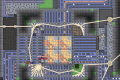
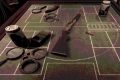
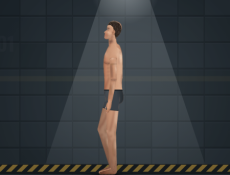
Every session in Trauma Lab is shaped by the equipment and conditions selected by the player. This anatomy and physics simulator allows users to create situations involving a human model and observe how its body responds. Instead of following a storyline, the game concentrates on interactions between characters, objects, and environmental forces. Players decide what happens in the laboratory, making experimentation the main activity throughout each session.


Trauma Lab
Advertisement
Advertisement











Every session in Trauma Lab is shaped by the equipment and conditions selected by the player. This anatomy and physics simulator allows users to create situations involving a human model and observe how its body responds. Instead of following a storyline, the game concentrates on interactions between characters, objects, and environmental forces. Players decide what happens in the laboratory, making experimentation the main activity throughout each session.
Understanding Character Behavior
The human model features a movement system that responds to changes in balance and physical contact. Characters can stumble, fall, move their limbs, and attempt to regain a standing position. Their reactions also depend on their current physical condition. The simulation represents anatomical layers, allowing certain interactions to affect different parts of the body. Players can examine these responses from multiple viewing angles and adjust the scene to observe different outcomes.
Customization and Laboratory Equipment
Trauma Lab provides menus containing objects, clothing, and instruments for use during experiments. Players can customize the character’s appearance with different outfits and protective items. The laboratory also contains tools associated with medical procedures and physical interactions. Objects can be selected, positioned, and manipulated to change the conditions of an experiment.
Available features include:
- Character customization with clothing and protective gear.
- Laboratory menus for selecting equipment.
- A physics system controlling body movement and balance.
- Medical instruments for working with simulated injuries.
- Limb stabilization using splints.
- Prosthetic attachments with different material options.
These systems can be used separately or combined within the same session. For example, players may change a character’s protective clothing before testing physical interactions or use medical equipment after examining its condition. The game also allows additional human models to be placed in the scene.
How Progression Works
Trauma Lab uses an open-ended sandbox structure without a sequence of traditional levels. There are no story chapters, dialogue objectives, or predetermined missions that players must complete. The available interactions provide opportunities to explore how the simulation responds to different actions.
To play, users choose an object or instrument from the interface and apply it within the laboratory. They can reposition equipment, adjust the environment, observe character movement, and switch between available tools. Certain actions change the model’s physical condition, influencing subsequent reactions. Players can continue working with the same setup or create another experiment using different equipment. Gameplay revolves around controlling these variables and examining the resulting behavior.
Comments (0)


2026
