




























An eyewitness supplies the clues, but the player must decide what the person described actually looks like in Unusual Suspects. The game places participants in the role of a sketch artist responsible for creating a portrait from a verbal description. Rather than showing a reference photograph that can be copied, the interface presents testimony about a suspect’s appearance. Players interpret each detail and combine the information into a drawing. Submitting the finished sketch reveals the intended character and an evaluation of the result. The challenge involves both artistic interpretation and the ability to recognize which details make a particular face distinctive.


Unusual Suspects
Advertisement
Advertisement

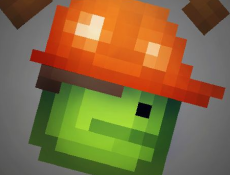


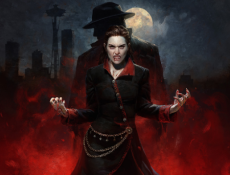

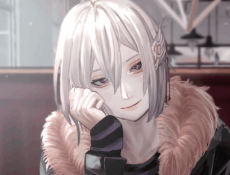
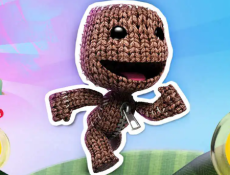
An eyewitness supplies the clues, but the player must decide what the person described actually looks like in Unusual Suspects. The game places participants in the role of a sketch artist responsible for creating a portrait from a verbal description. Rather than showing a reference photograph that can be copied, the interface presents testimony about a suspect’s appearance. Players interpret each detail and combine the information into a drawing. Submitting the finished sketch reveals the intended character and an evaluation of the result. The challenge involves both artistic interpretation and the ability to recognize which details make a particular face distinctive.
Listening to the Witness
The description may identify features such as the suspect’s hairstyle, facial structure, clothing, or unusual accessories. Some details appear straightforward, while others can be interpreted in several ways. A witness may describe an exaggerated characteristic without explaining its exact proportions. The player must translate that information into recognizable visual forms. Reading the complete testimony before beginning can help establish the overall shape of the character. The most distinctive features often provide a useful starting point, with smaller details added after the basic portrait has been constructed.
Drawing a Suspect Step by Step
The interface provides basic creative tools that allow participants to produce their own interpretations:
- Examine the witness’s description of the character.
- Establish the overall shape of the head and face.
- Choose appropriate brush colors and sizes.
- Draw distinctive hair, eyes, and facial features.
- Include recognizable clothing or accessories when described.
- Review the sketch before submitting it.
- Compare the finished drawing with the revealed suspect.
The game does not require a realistic professional portrait to make the activity enjoyable. A simple cartoon can communicate recognizable characteristics more clearly than an elaborate drawing that overlooks an important clue. Players may recognize a familiar character during the drawing process, but the description can also lead them toward an entirely unexpected interpretation.
Evaluating the Finished Portrait
Unusual Suspects reveals the target after the player submits the sketch. This comparison demonstrates how closely the drawing communicates the character described by the witness. Subsequent cases introduce new descriptions and different visual challenges. Participants can improve their results by paying attention to proportions, characteristic colors, and unusual details. The experience combines humor, imaginative drawing, and visual deduction. Its most memorable moments often occur when the portrait produced from an apparently reasonable interpretation looks considerably different from the actual suspect.
Comments (0)


2026
