
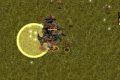





























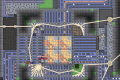

Victory in Battle of Dots: The Last Stand can depend on where troops are positioned before an attack begins. This real-time strategy game puts players in command of armies made up of small dots representing different military units. Battles involve two opposing forces, with the player responsible for organizing troops and directing their actions. The game emphasizes battlefield management, tactical positioning, and adapting to enemy movements rather than following a scripted storyline.


Battle of Dots: The Last Stand
Advertisement
Advertisement










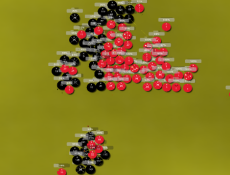
Victory in Battle of Dots: The Last Stand can depend on where troops are positioned before an attack begins. This real-time strategy game puts players in command of armies made up of small dots representing different military units. Battles involve two opposing forces, with the player responsible for organizing troops and directing their actions. The game emphasizes battlefield management, tactical positioning, and adapting to enemy movements rather than following a scripted storyline.
Preparing an Army for Battle
Players have access to several categories of soldiers, including infantry, heavy infantry, musketeers, snipers, cavalry, dragoons, and generals. Each type contributes differently to the army’s overall effectiveness. Ranged troops can engage opponents from a distance, while other units are suited to direct confrontations or movement across the battlefield. Artillery and siege weapons provide further options when planning attacks. Selecting an army composition requires considering how different units can support one another.
Changing Tactics During Combat
Battle of Dots: The Last Stand allows players to control troop movement and adjust formations while a battle is underway. Orders can be changed in response to enemy advances or changes in the position of allied forces. The opposing AI is capable of reorganizing its units and creating new formations instead of maintaining the same arrangement throughout an encounter.
Players can use several tactical approaches:
- Organize infantry into formations before advancing.
- Position musketeers and snipers for ranged engagements.
- Move cavalry to respond to changing battlefield conditions.
- Deploy artillery and siege equipment against opposing forces.
- Construct bunkers and palisades to strengthen defensive positions.
- Reposition surviving units when the enemy changes formation.
These options allow battles to develop in different directions. A defensive approach may involve protecting positions and waiting for an opportunity to advance. An offensive strategy can require coordinated movement between infantry, cavalry, and supporting units.
Match Types and Player Objectives
The game supports battles against computer-controlled opponents as well as multiplayer encounters. Players can participate in private matches or use ranked competition to challenge other participants. Allied AI units may also join the player’s side in certain battles, providing additional forces during engagements.
Battle of Dots: The Last Stand does not rely on a traditional sequence of story levels. Its progression focuses on tactical encounters and competitive matches. To play, users select units, organize formations, and issue movement orders during combat. They must observe enemy behavior and adjust their strategy as circumstances change. The main objective is to defeat the opposing army by managing available troops, using suitable positions, and maintaining effective battlefield control.
Comments (0)


2026
