



















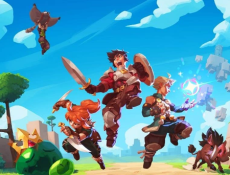
Farever places the player in Siagarta, a large fantasy world filled with wilderness, enemy camps, ruins, dungeons, underwater caves, and hidden treasures. The character is not presented as a foretold hero following one fixed destiny. Instead, progression comes from exploring the world, improving equipment, developing a combat build, and choosing which activities to pursue. The game can be played alone or with other players, and many encounters are designed around exploration, combat, collecting resources, and character development.



Farever
Advertisement
Advertisement





Farever places the player in Siagarta, a large fantasy world filled with wilderness, enemy camps, ruins, dungeons, underwater caves, and hidden treasures. The character is not presented as a foretold hero following one fixed destiny. Instead, progression comes from exploring the world, improving equipment, developing a combat build, and choosing which activities to pursue. The game can be played alone or with other players, and many encounters are designed around exploration, combat, collecting resources, and character development.
Exploring Siagarta
Movement is an important part of exploration. Characters can climb cliffs, jump across terrain, glide over gaps, descend into caves, and dive underwater. Different areas contain equipment, collectibles, resources, enemies, and entrances to dungeons. The world includes regions such as Skover Island and the Valley of Eternal Autumn, with separate locations and activities to discover.
Combat and Character Builds
Combat takes place in real time and combines character classes with weapon-based skills. Players can create different builds by selecting weapons, attributes, specializations, and equipment. Available classes support different approaches to battle, including direct melee combat, fast attacks, ranged magic, and support-focused play. In a group, players can coordinate attacks, protect allies, provide support, or combine abilities against stronger enemies.
The main activities include:
- exploring open areas and hidden locations;
- fighting enemies and clearing enemy camps;
- entering dungeons and facing bosses;
- collecting weapons, gear, and materials;
- climbing, gliding, swimming, and diving;
- developing weapon skills and character specializations;
- gathering resources and crafting equipment;
- playing solo or cooperating with other players.
Crafting, Dungeons, and Progress
Farever also includes professions connected to gathering and crafting. Players can collect materials through activities such as mining, fishing, herbalism, and archaeology, then use crafting jobs to create equipment, consumables, accessories, or other useful items. This system supports combat progression by providing another way to improve a character outside direct battles.
There are no traditional numbered levels that must be completed in a strict sequence. Progress is tied to exploring new regions, strengthening the character, finding equipment, improving skills, completing dungeons, and developing a preferred build. Dungeons provide more focused combat challenges and boss encounters, while the open world allows players to search for treasures, resources, and optional locations at their own pace. The result is a progression system based on exploration, combat, equipment, crafting, and repeated improvement rather than one linear campaign path.
Comments (0)


2026
