






















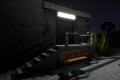
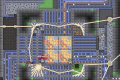

A match in Hide and Seek Paint Game is built around one clear question: can a player become part of the background before someone notices them? The game uses the familiar idea of hide and seek, but connects it with painting and visual camouflage. There is usually no long story or character-driven plot. Instead, the game focuses on short sessions where players take different roles and use the map itself as part of the challenge.



Hide and Seek Paint Game
Advertisement

Advertisement
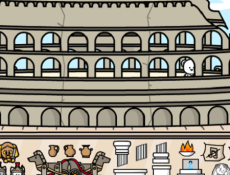
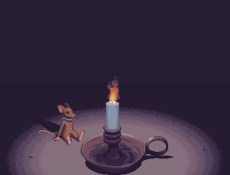

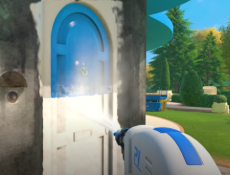






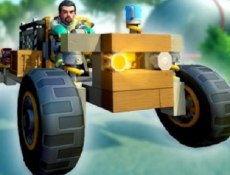
A match in Hide and Seek Paint Game is built around one clear question: can a player become part of the background before someone notices them? The game uses the familiar idea of hide and seek, but connects it with painting and visual camouflage. There is usually no long story or character-driven plot. Instead, the game focuses on short sessions where players take different roles and use the map itself as part of the challenge.
From Hiding to Blending In
The main feature of the game is not just finding a place to stand. Hiders need to make their character match the environment. This can involve choosing a wall, floor, object, or corner with the right color and then using paint to reduce visual contrast. The better the match, the harder it is for seekers to identify the player. However, a poor position can make even good color matching ineffective.
Round Flow
Each round has a simple structure that is easy to follow:
- The player joins a match with other users.
- Roles are assigned at the beginning of the round.
- Hiders use paint and positioning to stay unnoticed.
- Seekers inspect the level and search for hidden players.
- The timer creates pressure for both sides.
- The round ends when the hiders survive or the seekers find everyone.
Different Spaces, Different Tactics
Levels are usually presented as separate maps or play areas. They may include indoor rooms, open spaces, decorative objects, corners, platforms, or patterned surfaces. A crowded level can help hiders because there are more places to blend in. A more open level gives seekers a clearer view and makes mistakes easier to spot. Because of this, players need to change their tactics depending on the map.
What Makes a Player Successful
Success in Hide and Seek Paint Game comes from using simple mechanics carefully. Hiders need to think about where they stand, how they look from a distance, and whether movement will reveal them. Seekers need to scan the scene, compare shapes, and pay attention to small details that do not fit. The rules are direct, but the outcome depends on observation, timing, and how well each player reads the environment.
Comments (0)


2026
