


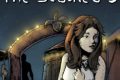









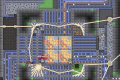
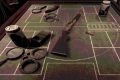
Life Gallery is a horror puzzle game that tells its story through a collection of surreal interactive paintings. Instead of traditional dialogue scenes or cinematic storytelling, the game presents events through symbolic artwork connected to family tragedy, cult rituals, and psychological trauma. Every illustration acts as both a puzzle and a narrative fragment, slowly revealing the history of two brothers and the disturbing events surrounding their lives.


Life Gallery
Advertisement
Advertisement





Life Gallery is a horror puzzle game that tells its story through a collection of surreal interactive paintings. Instead of traditional dialogue scenes or cinematic storytelling, the game presents events through symbolic artwork connected to family tragedy, cult rituals, and psychological trauma. Every illustration acts as both a puzzle and a narrative fragment, slowly revealing the history of two brothers and the disturbing events surrounding their lives.
Story and Symbolism
The narrative centers around twin siblings raised in a deeply unstable household. One brother suffers from physical deformities, while the other becomes increasingly connected to strange religious ceremonies and supernatural influences. As players move through different paintings, they uncover scenes involving sacrifice, illness, manipulation, and mysterious fish-headed figures linked to a hidden cult.
The game relies heavily on symbolic storytelling rather than direct explanation. Many scenes are inspired by classical art styles and historical paintings, but they are transformed into unsettling horror imagery. Different chapters represent memories, nightmares, and important moments in the family’s history.
Gameplay and Puzzle Systems
Life Gallery uses point-and-click mechanics combined with environmental puzzle-solving. Main gameplay features include:
- Interactive hand-drawn artwork
- Puzzle-solving through object interaction
- Chapter-based progression
- Hidden symbolic clues
- Psychological horror storytelling
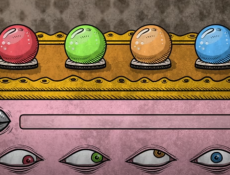
Players interact with paintings by moving objects, activating mechanisms, and discovering hidden details within each scene. Some puzzles focus on observation and logic, while others require understanding recurring symbols connected to the larger narrative.
Chapters and Atmosphere
The game is divided into several chapters, each introducing new visual themes and gameplay mechanics. Some sections focus on body horror and distorted anatomy, while others recreate famous artistic compositions in interactive form. Progression remains linear, but hidden details encourage careful exploration of every illustration.
Atmosphere is created through sound design, surreal visuals, and disturbing environmental details. There are no combat mechanics or action-focused sequences. Instead, tension comes from psychological discomfort and the gradual discovery of the family’s past.
Comments (0)


2026
