
























Ragdoll Runners is a physics-based track and field game about controlling an athlete through different sports events. The game does not have a story campaign, named heroes, or a plot with chapters. Its main idea is built around movement. The player has to make the runner move by controlling each leg separately, which makes even a simple race depend on timing, balance, and rhythm.



Ragdoll Runners
Advertisement
Advertisement

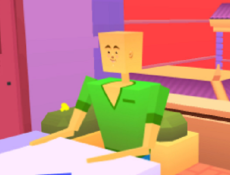



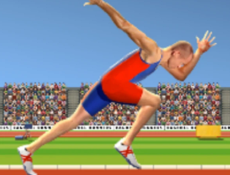
Ragdoll Runners is a physics-based track and field game about controlling an athlete through different sports events. The game does not have a story campaign, named heroes, or a plot with chapters. Its main idea is built around movement. The player has to make the runner move by controlling each leg separately, which makes even a simple race depend on timing, balance, and rhythm.
The Athlete Is the Main Puzzle
The challenge in Ragdoll Runners comes from the body movement system. The athlete does not run automatically when the player presses one button. Each leg has its own control, so the player must create a working running pattern manually. If the timing is wrong, the runner can stumble, slow down, or fall. This makes the game less about memorizing a level and more about learning how the physics reacts to each input.
Events With Different Demands
Ragdoll Runners is organized around athletics events instead of story levels. The player can take part in sprint races, long jump, triple jump, hurdles, and other track and field challenges. Each event changes how the controls should be used. A sprint requires steady rhythm and forward motion. A jump event requires speed before takeoff and correct timing at the jump point. Hurdles require running while preparing the body to clear obstacles.
The game includes several main elements:
- physics-based athlete movement
- separate leg controls
- sprint races
- long jump and triple jump events
- hurdle events
- computer opponents
- local multiplayer competition
- records and performance comparison
Improvement Comes From Practice
Ragdoll Runners does not use traditional levels with enemies, items, or exploration. Progress comes from improving results in each event. At first, the player may only try to finish without falling. Later, the goal becomes running faster, jumping farther, and beating stronger opponents or better records. The game rewards practice because small changes in timing can lead to better movement and higher performance.
Building a Stable Rhythm
To play Ragdoll Runners, the player should focus on control before speed. Pressing the leg buttons too quickly or without rhythm can make the athlete lose balance. A better approach is to alternate the legs carefully and watch how the runner’s body reacts. In jump and hurdle events, the player also needs to prepare before the obstacle or takeoff point. The main goal is to understand the physics system, keep the athlete upright, and improve each attempt through better timing.
Comments (0)


2026
