





















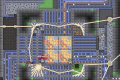
Spaghetti Celesti: Devour the Heavens is a falling-block puzzle game about preparing long portions of spaghetti for restaurant customers. Instead of completing a story campaign or controlling a character through separate levels, the player works inside a puzzle grid where pasta, ingredients, and forks fall from above. The objective is to connect spaghetti pieces into long strands, collect food along the way, and serve the finished portion before the waiting customer becomes impatient. Each run lasts only a few minutes and is focused on achieving better restaurant reviews.



Spaghetti Celesti: Devour the Heavens
Advertisement
Advertisement


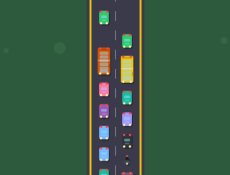


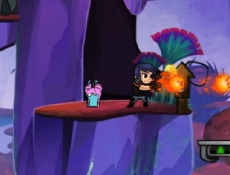




Spaghetti Celesti: Devour the Heavens is a falling-block puzzle game about preparing long portions of spaghetti for restaurant customers. Instead of completing a story campaign or controlling a character through separate levels, the player works inside a puzzle grid where pasta, ingredients, and forks fall from above. The objective is to connect spaghetti pieces into long strands, collect food along the way, and serve the finished portion before the waiting customer becomes impatient. Each run lasts only a few minutes and is focused on achieving better restaurant reviews.
Connecting Pasta Into Longer Strands
Spaghetti pieces can be joined when their ends meet correctly. This makes positioning important because a badly placed section can create a closed shape or leave a pasta end pointing in a direction that is difficult to connect later. The player needs to think ahead while pieces continue falling, leaving enough open space for future pasta and ingredients. Unlike traditional line-clearing puzzle games, completed spaghetti remains useful until the player decides to serve it.
Ingredients, Forks, and Restaurant Reviews
Small food items also fall into the play area and should be included in the spaghetti before it is served. More ingredients can improve the final result, but waiting too long creates its own problems. During a run, players need to:
- rotate and position falling spaghetti pieces;
- connect separate pasta sections;
- incorporate tomatoes, meatballs, and other ingredients;
- avoid creating unusable closed loops;
- position fork blocks near completed spaghetti;
- collect one or more strands with a fork;
- serve food before the customer becomes too hungry.
The fork is what turns the constructed pasta into a finished serving. It can interact with nearby tiles and may collect more than one useful section when positioned carefully. Serving clears space from the board and produces a customer review based partly on how well the spaghetti was prepared.
Balancing Longer Pasta With Faster Service
The main challenge is deciding when a serving is ready. Continuing to extend a strand can create a longer and better-garnished portion, but it also takes up more room and keeps the customer waiting. Serving too early gives up the opportunity to include more ingredients, while waiting too long can hurt the restaurant rating. Difficulty settings can make this balance more demanding, and the game includes a tutorial for learning how connections, ingredients, and forks work.
There are no combat encounters, exploration sections, character upgrades, or traditional numbered stages. Progress comes from learning how the falling pieces interact and improving the quality of each run. To play effectively, the player needs to keep useful spaghetti ends accessible, place ingredients where they can be absorbed into a strand, prepare fork positions in advance, and serve at the right moment. Spaghetti Celesti: Devour the Heavens turns the falling-block format into a restaurant puzzle based on planning, space management, pasta connections, ingredients, and customer reviews.
Comments (0)


2026
