




















Spot It is not about keeping cards hidden in your hand; it is about finding the shared picture before anyone else can name it. The game has no story mode, no characters, and no campaign structure. Each round is a short visual task. Players look at cards filled with symbols, compare them, and try to identify the one image that appears on both cards.



Spot It
Advertisement

Advertisement








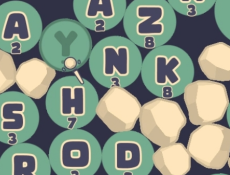
Spot It is not about keeping cards hidden in your hand; it is about finding the shared picture before anyone else can name it. The game has no story mode, no characters, and no campaign structure. Each round is a short visual task. Players look at cards filled with symbols, compare them, and try to identify the one image that appears on both cards.
One Rule With Several Formats
The central rule stays the same across the game: any two cards have exactly one matching symbol. What changes is the way the cards are used. Some mini-games ask players to collect cards, while others ask them to lose cards as quickly as possible. This gives the game different round goals without changing the basic matching mechanic.
What Players Need to Notice
A Spot It round depends on several visual details:
- which two cards are being compared;
- where the largest symbols are placed;
- whether a symbol is rotated;
- whether the shared symbol is smaller on one card;
- who names the match first;
- what the selected mini-game does with the card afterward.
No Levels, Just Repeated Challenges
Spot It does not use levels in the usual sense. There are no maps to unlock, enemies to defeat, or story chapters to complete. The game is played through quick rounds that reset the search each time new cards appear. The difficulty comes from speed and attention, especially when several players are looking at the same cards and calling out answers at the same time.
How the Game Is Usually Won
Winning depends on the selected mini-game. In one format, the player with the most cards at the end can win. In another, the first player to remove all their cards is the winner. Because of this, the same deck can create different objectives. The player who performs best is usually the one who scans carefully, recognizes symbols quickly, and avoids naming the wrong image under pressure.
Comments (0)


2026
