
























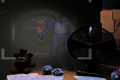


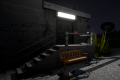
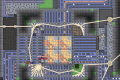
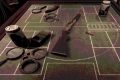
A plain button is the only attraction when Stimulation Clicker begins. Pressing it generates a currency called stimulation, which can be spent on upgrades. At first, acquiring enough points for the next purchase requires repeated manual interaction. The environment then starts filling with moving images, sounds, notifications, and other distractions. Each new element contributes to a system that generates additional stimulation, making later purchases increasingly accessible. The entire experience is a parody of online entertainment, particularly the way digital interfaces constantly compete for a person’s attention through immediate rewards and overlapping forms of content.



Stimulation Clicker
Advertisement

Advertisement






A plain button is the only attraction when Stimulation Clicker begins. Pressing it generates a currency called stimulation, which can be spent on upgrades. At first, acquiring enough points for the next purchase requires repeated manual interaction. The environment then starts filling with moving images, sounds, notifications, and other distractions. Each new element contributes to a system that generates additional stimulation, making later purchases increasingly accessible. The entire experience is a parody of online entertainment, particularly the way digital interfaces constantly compete for a person’s attention through immediate rewards and overlapping forms of content.
From Manual Clicking to Automation
The first purchases change an otherwise empty interface into an environment containing interactive and animated elements. Certain upgrades improve the value of subsequent clicks, while others generate stimulation through recurring activities. As production increases, the player can afford more expensive improvements without relying exclusively on the original button. The important decision is whether to spend points immediately on an available upgrade or accumulate them for a more productive alternative. Different purchases also introduce different visual and auditory distractions, so economic development changes the appearance of the game as well as the numerical counter.
Internet-Inspired Upgrades
Many of the additions reference familiar forms of digital entertainment and online behavior:
- A bouncing DVD-style graphic.
- Short video content and background entertainment.
- Notifications demanding attention.
- Audio loops and podcast-inspired sounds.
- Animated items occupying previously empty space.
- Passive production that continues between manual clicks.
- Progress-dependent rewards and additional upgrade opportunities.
As these components accumulate, the button that originally occupied the center of attention becomes only one part of a much busier interface. New players can focus on the available production statistics when deciding what to purchase. The growing number of simultaneous movements and sounds is part of the intended joke rather than a separate technical problem. Turning down the volume may make a longer session more comfortable.
Reaching the Final Upgrade
Unlike incremental games designed to continue indefinitely, Stimulation Clicker has a recognizable conclusion. The final purchase, Go to the Ocean, introduces a quiet coastal scene that contrasts with the overwhelming environment developed throughout the game. The change concludes the progression system and reinforces the underlying commentary on attention and screen habits. Players can experience the transformation again by restarting, but the primary journey is the gradual transition from an ordinary button to a crowded digital environment and ultimately back to a moment of calm.
Comments (0)


2026
