



















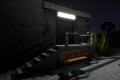
Romestead is an action-adventure survival game set after the fall of Rome. An apocalyptic event has left the empire in ruins, while many of its former citizens have become hostile walking husks that emerge at night. The player begins with a small camp and gradually works toward rebuilding civilization by gathering resources, recruiting survivors, constructing settlements, and restoring the influence of the Roman gods. The game does not follow a traditional linear campaign; progression comes from expanding towns, exploring the world, and defeating major threats.


Romestead
Advertisement
Advertisement






Romestead is an action-adventure survival game set after the fall of Rome. An apocalyptic event has left the empire in ruins, while many of its former citizens have become hostile walking husks that emerge at night. The player begins with a small camp and gradually works toward rebuilding civilization by gathering resources, recruiting survivors, constructing settlements, and restoring the influence of the Roman gods. The game does not follow a traditional linear campaign; progression comes from expanding towns, exploring the world, and defeating major threats.
Build Settlements That Actually Function
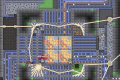
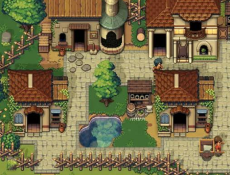
Town building is tied directly to progression. Players can construct buildings such as a Blacksmith, Leatherworker, and Farmstead, then recruit survivors with different professions to work there. Citizens need food and happiness, while decorations improve settlement appeal. More advanced buildings introduce automated production and logistics, allowing resources to move between different parts of the economy without constant manual work.
Explore, Fight, and Carry Resources Home
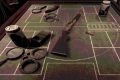
The world is procedurally generated and contains multiple biomes, handcrafted locations, dungeons, enemies, puzzles, and hidden rewards. Heavy resources such as logs, rocks, and ore exist as physical objects, so they must be carried or transported back to town. Carts can be used to move larger amounts, while gathered materials support crafting, construction, and equipment upgrades.
Players can:
- gather wood, stone, ore, and other resources;
- build and expand several settlements;
- recruit artisans and assign useful professions;
- farm crops and manage food production;
- explore dungeons and solve environmental puzzles;
- fight undead enemies and bosses;
- restore Roman gods through offerings and sacrifices.
The Gods Unlock More Progression
Restoring the gods is another major system. Players make offerings and sacrifices to regain divine favor, which unlocks technologies, buffs, and upgrades useful for rebuilding Rome. Exploration also rewards new recipes, citizens, equipment, and trinkets, while boss fights act as larger milestones between stages of settlement development.
A typical session involves gathering materials, returning them to town, constructing or upgrading buildings, helping citizens, and preparing equipment before heading into a dungeon or unexplored biome. Romestead combines survival, crafting, farming, town management, combat, and exploration into one progression loop where the long-term goal is to turn scattered camps into a functioning Roman civilization.
Comments (0)


2026
