






















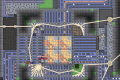
SPLOOB is a physics-based falling-block puzzle game set inside a laboratory experiment. The player works as an intern who has been given a simple task: drop colorful cells into a beaker and produce DNA. There is no traditional story campaign with characters, exploration, or cutscenes. Instead, the laboratory setup provides the reason for the puzzle mechanics. Cells continuously fall from above, and the goal is to arrange matching colors so they form a connected line across the beaker and disappear.


SPLOOB
Advertisement

Advertisement









SPLOOB is a physics-based falling-block puzzle game set inside a laboratory experiment. The player works as an intern who has been given a simple task: drop colorful cells into a beaker and produce DNA. There is no traditional story campaign with characters, exploration, or cutscenes. Instead, the laboratory setup provides the reason for the puzzle mechanics. Cells continuously fall from above, and the goal is to arrange matching colors so they form a connected line across the beaker and disappear.
Connecting Cells Across the Beaker
Unlike traditional block puzzles, the pieces in SPLOOB do not fit into a fixed square grid. Cells have different shapes and react to physics after landing. Round pieces can roll, while other shapes may tilt, slide, or settle into gaps between existing cells. The player can steer a falling cell to the left or right and make it descend faster. Because pieces continue moving after contact, their final position is not always identical to where they first land.
Creating DNA and Keeping Space Open
The objective is to connect cells of one color from one side of the beaker to the other. Once a complete matching connection is created, the cells pop and generate DNA while freeing space for additional pieces. During a run, players need to:
- guide falling cells toward useful positions;
- match pieces by color;
- use different cell shapes to fill gaps;
- create connections across the full width of the beaker;
- clear groups before the container becomes crowded;
- watch upcoming cells and plan placements;
- increase the score by producing more DNA.
The physics make placement important because a cell can push or shift pieces that are already inside the container.
As the run continues, cells arrive faster and the available space becomes harder to manage. The game uses levels and increasing speed rather than separate maps or story stages. Higher difficulty settings can make the falling pieces more demanding to control. A poor placement does not always cause an immediate failure, but several awkward pieces can create blocked areas that make completing a same-color connection much more difficult.
Planning Around Shapes and Colors
Success in SPLOOB depends on looking beyond the current falling cell. Players need to keep possible routes between both walls open and avoid filling the center with colors that cannot connect. The controls are simple, but the combination of irregular shapes, collisions, and increasing speed creates the challenge. Each run is mainly about arranging squishy cells efficiently, clearing colored connections, producing DNA, and keeping the beaker usable for as long as possible.
Comments (0)


2026
