


































The appearance of a painting does not always reveal how much someone was willing to pay for it. The Auction Game transforms that uncertainty into a price-estimation challenge involving works of art. Players examine a selection of paintings and use available details about each piece to predict its auction price. After a guess is submitted, the actual result is revealed and points reflect the accuracy of the estimate. The game does not simulate running an auction house or bidding with real money. Its objective is to compare personal expectations about artistic value with recorded prices from real sales.



The Auction Game
Advertisement
Advertisement










The appearance of a painting does not always reveal how much someone was willing to pay for it. The Auction Game transforms that uncertainty into a price-estimation challenge involving works of art. Players examine a selection of paintings and use available details about each piece to predict its auction price. After a guess is submitted, the actual result is revealed and points reflect the accuracy of the estimate. The game does not simulate running an auction house or bidding with real money. Its objective is to compare personal expectations about artistic value with recorded prices from real sales.
Examining Paintings Before Guessing
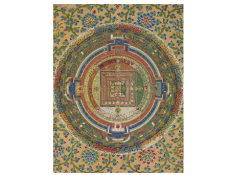
The displayed information includes the painter’s name and the year associated with the artwork. These details provide a useful context for interpreting the image. Recognizing an influential artist may help a player understand why a particular painting attracted considerable attention, but familiarity alone is not enough to determine an exact price. The subject, artistic period, condition, rarity, and ownership history can all influence an auction result. Some factors may not be visible in the simplified game presentation, which makes a completely precise prediction difficult even when the artwork is recognizable.
How the Estimation Challenge Works
A session presents a collection of artworks and encourages the player to evaluate each one individually:
- Observe the painting and its visual characteristics.
- Read the available artist and date information.
- Consider the likely scale of the auction result.
- Enter a personal price estimate.
- Submit the guess to reveal the recorded price.
- Review the points awarded for the prediction.
- Continue through the remaining artworks.
Players may discover that a painting they personally prefer sold for less than another work that initially seemed less interesting. This difference is an important part of the challenge. Market value reflects demand and the circumstances of a sale rather than merely the visual appeal of an image. The game offers a straightforward way to encounter these disparities without requiring experience buying or selling art.
Completing a Collection of Guesses
The documented version of The Auction Game presents nine paintings for evaluation. Replaying the same selection can help visitors remember the historical auction figures, although that is different from independently estimating unfamiliar prices. The game combines art appreciation with numerical judgment and introduces questions about how cultural objects acquire financial value. It is an entertainment and learning exercise, not an appraisal service or a prediction of future auction prices.
Comments (0)


2026
